Relish

Relish (noun) adds flavor. It can take a dish from humble to worthy of mention. Fully absorbing the flavor, texture, and pleasure of that dish is to relish (verb) it. Both are important.

If we’re too hurried, worried, or distracted to savor our food, the little extras don’t mean as much. They may even go unnoticed or unappreciated. As it is with food, so it is with life.

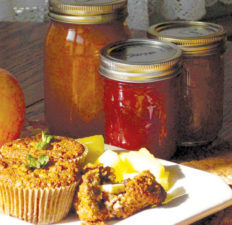
Relishes need the right combination of flavors, perfect cut of ingredients, pleasing texture, and taste that enhances the dish they accompany. There’s a local Brazilian restaurant that serves black beans and rice with a tiny bit of collard green salad and tomato relish. It’s the two tiny additions that take the dish from common to something worthy of mention.

When life is moving along according to our usual routine, we often fail to relish the quiet, peaceful, moments that bring beauty and inspiration. We don’t notice new blossoms on the lemon tree or the smell of freshly mown grass. We hurry our kids through bath and bedtime instead of basking in cuddles. If we don’t lean in and relish the good parts of life, we lack balance, respite, and lingering moments that feed our souls.

Unfortunately, many of us favor doing over being and measure success in possessions, net worth, and number of activities in which we participate. In fact, this has become the norm to which we are encouraged to aspire. This makes for a shallow way to live and the culture pays a price for it in less life satisfaction, less connection within our families and communities, and less value placed on integrity.

We’ve reached the point it sometimes appears as though we see no virtue in leaning into happiness and joy. Oh we want to be happy, but we expect that state to find us in the midst of our frenetic activity. If it did, would we even notice? In fact, it is most likely lingering in the background every day. We just aren’t in a position to embrace it.

Those of us who have lived for any length of time with unpredictability, chaos, poverty, or violence may be routinely braced for the other shoe to drop. A defensive stance is a reasonable response to those situations, but the lingering effects can make it difficult to relax and feel joy. Instead of feeling the good, a wave of happiness can’t penetrate because, as the character Carmen Berzotto says in The Bear, “There’s always another shoe.” It seems logical that feeling happiness and joy will be difficult when your life experience has been skewed by a monsoon of falling shoes.

When happiness feels dangerous and joy is illusive, we may need a bridge to transition from bracing to embracing. The best bridge will be different for everyone. The important thing is to recognize that there’s nothing wrong with needing a bridge. Discomfort is part of the package. Eventually, it will subside.

In the meantime, providing yourself something to ease that discomfort can be the little extra that, like relish, elevates you to a point you can linger in warmth, comfort, peacefulness, and joy. A bridge can be made of any combination of elements. I like to keep it simple so that the bridge doesn’t become a distraction in and of itself.

I’ve used the somatic experiencing (SE) technique of sitting in a circle of rope (a visible boundary) and naming all the physical sensations I feel. Grounding is also a good tool – plant your feet firmly on the floor and press. If that’s not enough, count all the objects of a certain color in the room while pressing into the floor. These tools help calm your lower brain.

Yoga, meditation, and breathing techniques are also great tools for helping the body know you’re not in danger. And they don’t distort your perceptions in the way pharmaceutical solutions can.

If you can feel happiness and joy, but feel it’s lacking in depth or frequency, a more gentle reminder to lean in may be sufficient. A new or differently worn bracelet or ring can be a visible signal to slow down and lean into little flashes of pleasant feeling instead of rushing toward the next task. A tattoo, embroidered motto, or inspirational quote on your screensaver can also work. Just like relish recipes, there are millions of possibilities.

Tangy, sweet, spicy, herby, crunchy, or balanced. Relish can be tailored to enhance your dish.

Relishing happiness and joy can be tailored to enhance your life.

ad

What’s in it For Me?

Go ahead and ask, “What’s in it for me?” You may cringe when you read that. I know a lot of people feel like they’re currently surrounded by selfishness. But I really want to explore the opposite: What’s in it for me when I give my time to help someone else?

My timing may seem off to you. Most of us are struggling just to get through the craziness of 2020. But sometimes the best way to get past a struggle is to help someone else. I’m not suggesting that you leave your home or take more risks of exposure to COVID-19. There are many ways to contribute from where you sit.

When you feel bored, anxious, or worried, changing focus can work wonders. But it can be hard to think of a constructive way to use your time when you’re stuck at home with nothing on the agenda. So, let’s go back to the question at hand, “What’s in it for me?”

I’ve fallen into some really great opportunities to volunteer by attending a training, workshop, or lecture. I go for the intellectual stimulation, but I stay because I find a place I feel I can make a difference. This year, I’ve discovered I can actually attend more events because there’s no travel involved and fees have been lowered.

You don’t have to be passionate about any particular cause to make a difference. Perhaps your talent is making connections. You may be able to help a friend or associate find a new job by putting them into contact with people you know. You may be the perfect person to solicit committee members, put together a task force, or provide resources for a newcomer. You could end up introducing someone to a new partner. The right introduction can change a life.

If you’re a good communicator, you may want to write letters to teens residing in behavioral health hospitals. With COVID limiting visitors, children can use extra comforting words. Our nursing home residents and prisoners can also use extra comfort this year. Words are powerful. They can provide distraction and inspiration.

And let’s not forget healthcare workers. I have a handful of doctors I email or text on a regular basis to let them know I appreciate them. In spite of their added burdens, they often respond with encouraging messages for me. These are incredible people! And although it is not my intent for them to feel obligated to respond, there’s a lot of gratitude and reassurance available for me to absorb.

If you’re crafty, you can knit caps for newborns, sew masks for hospital visitors, or create Christmas stockings for teachers and fill them with supplies. This Christmas, I’m planning to fill stockings with holiday treats for my neighbors and leave them on their porches. I did this for Easter and the 4th of July. It’s a tiny thing to do, but brightening their day brightens mine.

And that’s the point. If you feel there’s something missing from your life, try giving that something to someone else. I’m not saying to do this in place of self-care, but as a form of self-care. We often think of giving as a tiring obligation, until we try it. Once you start using your time to create joy or comfort for someone else, you’ll be amazed how it will fill your heart and bring you joy as well.

There you have it. That’s what’s in it for me.

Volunteer Opportunities

Time Is On Your Side

jellyThere’s no need for pressure in the kitchen; time is on your side. If you’re a fan of TV cooking shows, it may seem like cooking is a timed event. That may be true in reality TV, but it is not reality. In fact, taking your time in the kitchen can bring added benefits!
Of course, it makes sense that TV shows time challenges to build tension that will keep you watching through the breaks, but that might not seem so normal if we hadn’t gradually filled our days with more and more activity and more and more distractions to the point that hurrying has become a way of life. If we begin to think of cooking as a challenge to be conquered in a certain amount of time, we may end up with good-tasting food, but we’ll miss the joy of the process.
tomatoes
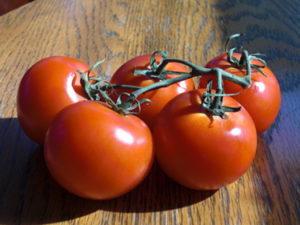
My grandmother worked, gardened, canned, and cooked. When she made tomato juice, it was no 30 minute process! In fact, it stretched over months. She planted tomato seeds, tended the garden, harvested the tomatoes, cooked them down, pressed them through a cheesecloth lined chinois using a wooden pestle into sterilized jars, then topped the jars and placed them in a pressure canner for about 25 minutes. Whatever time she spent was worth it! It was the most delicious tomato juice I’ve ever tasted and it only contained tomatoes and salt.

You don’t have to begin with seeds to make delicious food. I only relate the story to help put things in perspective. My grandmother thought nothing of spending an entire day in the kitchen canning tomato juice. There was no hurry to her process.

Viewing meal preparation as a hurry-up-and-get-it-over-with experience adds pressure and robs us of the chance to:

Explore

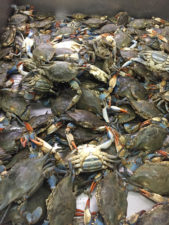
Taking time to scout for unique ingredients can lead you to ethnic grocery stores, pick-your-own farms, urban gardens, farmer’s markets or produce stands along the highway. Picking strawberries, choosing blue crabs, or tasting churros at an unfamiliar mercado can be a great way to explore your area and spend time together as a family.
blue crabs
Experiment

If you’re trying to get out of the kitchen quickly, you’re unlikely to try something new. Experiments are, by nature, less predictable in time and result than dishes you’ve prepared many times. But eating the same thing over and over gets tiring. Why not make cherry upside down brownies? Why not slow roast a pork butt for the neighborhood barbecue? Why not cook the greens from the tops of radishes and beets? Why not try making croissants?

Teach

There are tons of lessons to be learned in the kitchen. If you’re hurrying through meal prep, you’ll have no time to teach those lessons. Not only will your kids miss out on learning, they’ll miss valuable memories of spending time with you while surrounded by warmth and the aroma of bread baking.

Dance

Kitchen prep time is great for dancing along to your favorite tunes or having a family sing-a-long. Think of it as multitasking in the best sense of the word.

Savor

It’s impossible to be fully present in the moment when you’re rushing around. If you slow down enough to smell each ingredient, notice its texture, carve it carefully, or roll it evenly, you’ll have a chance to savor each tactile delight.

I love being in the kitchen. I know it makes me feel better, and yet sometimes I fight cooking. I wait too long to start and get too hungry. I fail to inventory my pantry for ingredients, lack something essential, and refuse to substitute. I wait too long to cook some meat and it’s spoiled when I open it. While this doesn’t make me proud, I just have to let it go.

I know the value of being in the kitchen and I am usually mindful enough to enjoy the experience when I’m there. Lots of new recipes and delicious food have resulted from my less than perfect kitchen attendance. I’m going to let that be good enough. From this point, I plan to take my time and savor more and more joy during my kitchen time.

http://www.cooking2thrive.com/blog/the-benefits-of-cooking-part-3-the-lessons/

Forget Resolutions – Answer the Big Questions

As this year begins, forget resolutions! Until you answer the big questions, it’s pointless to make them anyway.

Is there really much chance you’re going to hit the gym an hour a day for a whole year if you haven’t explored why you’ve purchased 3 yearlong gym memberships before and worked out a total of 3 times?

Will you be able to achieve your goal of reducing clutter if you don’t know why you buy more clothes, but don’t remove anything from your closet?

Is it realistic to set a goal to prepare most meals from scratch if you don’t know whether you believe that anticipated long-term health gains are more important than the convenience that gets you through today?

We’ve talked before about setting up a life structure to support change, but that’s really starting in the middle. Before you set up that structure, you need to know yourself and be clear on your values.

Most of us believe we have a clear view of ourselves, but I can tell you from interviewing many employees and then subsequently observing their job performance, we are either terrible self-assessors or willing to be incredibly dishonest to get a job. If we’re not good at self-assessing, we’re not being honest with ourselves.

I have only a passing knowledge of Brené Brown’s research into shame and vulnerability, but it seems logical that feelings of shame regarding our perceived inadequacies or the vulnerability of being unemployed contribute to our construction of a story that doesn’t match other people’s perception of us over time. While this may feel necessary for landing a job, or our social mask may feel necessary for navigating public interactions, it is important for us to connect to our true selves. If we don’t, we simply can’t construct a life that will benefit us.

Think of it this way, if you build a house with standard height doors, it won’t comfortably fit LeBron James or Kevin Durant. If you love to sleep late and work at night, a 7am – 3pm job does not fit you as well as an 11pm – 7am job. If you value routine, outside sales will make you crazy. It doesn’t matter that your earning potential is increased because the job is not a good fit! On the other hand, if you love flexibility outside sales will let you blossom.

Asking the big questions helps to identify our strengths, obstacles, and things that bring us joy. Answering the big questions with courage solidifies our values. With the resulting clarity, we can construct a life framework that supports us becoming our best, healthiest, most joyful selves, even if our new plan is 180º from where we’ve been headed.

Is it seriously possible to go from an inability to keep a single resolution to a 180º turnaround? I believe it is. I’m not saying the path will be straightforward – your particular trail may never have been blazed before. I never expect a journey that has a straight up trajectory, or is without failure. Forward progress most often requires a foundation of commitment, diligence, learning from mistakes, and holding yourself accountable.
question
What does a big question sound like if I should want to ask one?

Big questions are things like:

1)What are my greatest inherent strengths?

2)What are my greatest learned skills?

3)What are my greatest weaknesses?

4)What am I most lacking right now?

5)Can I sit still in total quiet without distractions or company and feel calm and comfortable?

6)What do I have in great abundance?

7)What do I have that I can live without?

8)Am I invested and engaged in my family, my job, and my community?

9)Am I able to feel my real feelings in the moment?

10)What do I do to avoid my feelings?

11)Do I embrace my emotions, both positive and negative, and lean in?

12)Can I look myself in the eye in the mirror and sincerely utter the words, “I love you?”

13)What is the worst thing I’ve ever done? Have I forgiven myself for that?

14)If I have not yet forgiven myself for my worst action, can I do it now?

15)Do I have good boundaries?

16)Do I contribute more often to peace or to conflict in my relationships?

17)Am I more likely to display compassion or judgement?

18)Do I take responsibility for my contribution to family or work conflict?

19)How do I behave when I’m my best self and during what percentage of each day am I my behaving that way?

20)Am I willing to practice gratitude, bravery, health, fitness, kindness, thoughtfulness, and generosity?

21)Am I reliable? Can others regularly count on me?

22)What kind of friend am I to myself? Do I take care of myself as well as I do my husband, wife, children, friends, coworkers, or clients?

23)What inspires me?

24)What motivates me?

25)If there were no obstacles, what would a perfect week look like?

26)What steps can I take today that will move me toward that perfect week?

27)If there is no way to change my current circumstances, will I be okay and can I learn to thrive?

28)How much time am I willing to commit each day to improving my physical health and fitness?

29)How much time am I willing to commit each day to strengthening my emotional & spiritual health?

30)What percentage of the time do I say no when I should say no?

31)What do I believe is the biggest obstacle standing between me and my #1 goal?

32)Do I have the courage to sit with my fear?

33)What one thing can I do each day that will add joy, laughter or connection to my life?

34)What do I believe I deserve in life?

35)Am I aware of the effect my choices have on those around me?

36)What one kindness can I offer someone else today?

The answers to big questions often reveal themselves in stages of realization slowly over a period of time as we gain insight. Many of us have had our relationships to ourselves interrupted in a manner that leaves us feeling alone, helpless, weak, undeserving, defective, or numb. When this is true, it can be a monumental task to reconnect with our emotions. If you have difficulty seeing yourself as lovable, deserving of good things, or feel a need to avoid all emotions, Somatic Experiencing® may be a good place to start.

Somatic Experiencing® Therapy allowed me to reconnect with my body so that I could relax the defenses that prevented me from feeling. Developed by Dr. Peter A. Levine, SE can easily be practiced with or without the assistance of a practitioner. Using SE tools still helps me trust my body to support me while I free my mind to know what I know and my heart to feel what it feels. That puts me in a much better position to answer big questions in a manner that is consistent with supporting my best self.

If you’re already feeling concerned that you may not keep your resolutions this year, forget them and try answering some big questions! After all, there’s no danger in trying something different and the knowledge you gain about yourself can give you insight into a better strategy for sustaining positive change.

Take your time, you’ve got all year! Let’s just call this a rebuilding year.

https://brenebrown.com/

http://somaticexperiencing.com/