
Where can you get Omega-3 fatty acids on a low histamine diet? If you have MCAS, Omega-3s can help reduce inflammation. Of course, you’ll want to get plenty of them. But most food high in Omega-3s are filled with problematic foods. Still, there are some options to explore beyond relying on supplements.
Fresh caught rainbow trout is one of my favorites. I grew up fishing at a trout farm a few miles down the road from our farm. While that trout farm no longer exists, the same family has a new farm where I’ve taken my grandson fishing. Bald eagles like to fish there too.
Farmed trout typically have fewer contaminants than other farmed fish and they provide 1 gram of Omega-3s per 3.5 ounce serving. My grandchildren prefer breaded and fried trout fingers, but I love pesto trout, trout almandine (gluten-free, of course), or grilled trout with lemon and herbs.
Some game and fish organizations stock public ponds and lakes with trout. The water has to be cold. I’ve also caught plenty of them in streams below a dam that lets out water from the bottom of a lake.
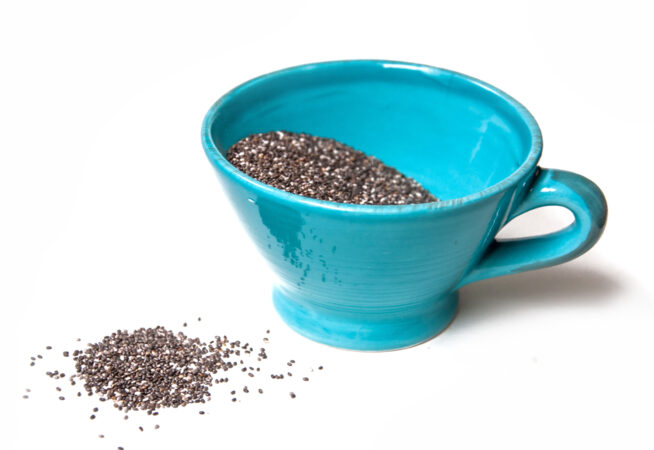
If you can tolerate flax, chia, or hemp seeds, they are also could sources of Omega-3s. Chia seeds are often used in gluten-free recipes because they form a gel-like substance when soaked in liquid. The gel can be used as an egg replacement or included in puddings, cakes, or breads. A tablespoon of chia seeds contains about 2.1 grams of Omega-3.
Flax seeds beat chia seeds by a small amount delivering around 2.3 grams per tablespoon, but they require grinding for your body to digest them. The good news is, flax seeds are often included in other foods. Purely Elizabeth gluten-free Oatmeal contains flax, chia, and hemp seeds.
Hemp seeds don’t need soaking or grinding. They don’t deliver quite as many Omega-3 fatty acids (1 gram per tablespoon) as chia and flax, but they are high in protein (3.3 grams per tablespoon) and contain all nine essential amino acids.
Oils like canola, soybean, and flaxseed also contain Omega-3s. Flaxseed oil has the highest concentration at 7 grams per tablespoon, but should not be heated. Soybean oil has .9 grams per tablespoon and is primarily used in commercially produced products. Canola oil delivers 1.3 grams of Omega-3s per tablespoon and is commonly used for cooking.
Heart health, eye health, and brain health, including the support of fetal brain development, may be improved by including sufficient amounts of Omega-3s in your diet. You may not be able to eat salmon or tuna without suffering MCAS symptoms, but that doesn’t mean your diet has to be lacking in Omega-3.
Try these options when you need to keep the histamine low and the Omega-3 high.
https://www.devitosrestaurant.com/troutfarm
Disclosure of Material Connection: I have not received any compensation for writing this post. I have no material connection to the brands, products, or services that I have mentioned. I am disclosing this in accordance with the Federal Trade Commission’s 16 CFR, Part 255: “Guides Concerning the Use of Endorsements and Testimonials in Advertising.”
