A Matter of Degree?

Is the difference between processed and ultra-processed food a matter of degree? Health experts have long railed against processed foods, but more recently seem to differentiate between processed and ultra-processed foods. This made me wonder, what’s the difference? Perhaps you’re wondering too.

peanut butter and jelly jar

The idea of ultra-processed food as a separate category began to circulate around 2009 when a Brazilian researcher, Carlos A. Montiero, coined the term in a scientific paper. The following year, he and his colleagues developed the NOVA Classification System for grouping foods according to level of processing. This system is currently used worldwide.

The NOVA Classification System has four categories: Unprocessed and minimally processed foods, processed culinary ingredients, processed foods, and ultra-processed foods. These categories range from fresh eggs, fruits, and vegetables to industrial formulations with five or more ingredients.

In spite of this widely used system, there is no set definition of ultra-processed. Other definitions include: foods changed by science until they’re almost unrecognizable from their original form; foods that have been altered to include fats, starches, sugars, salts and hydrogenated oils extracted from other foods; formulations not used in culinary preparations.

Why are ultra-processed foods relevant?

When you’re attempting to follow a healthy diet, these foods can be detrimental. They have been linked to increased risk of heart disease, type 2 diabetes, obesity, some cancers, and inflammation. And many are full of chemicals that may be harmful to some people.

For me, it seems many categories of processed foods have added ultra-processed options. And some long-standing processed foods have changed formulations or added ingredients that push them into the ultra category. And it isn’t always the cheapest food that contains the most additives.

What falls into the ultra-processed category?

Pretty much anything with a long list of additives and preservatives. When using the NOVA system, whole grain breads, lightly sweetened breakfast cereal or yogurt, and peanut butter may fit the criteria for ultra-processed. But as we know, not all breads, cereals, or yogurts are created equal.

Before you start throwing food in the trash, take a moment to review why you are choosing a particular product. If it’s for shelf-life or convenience, be realistic. If you eliminate a particular food, are you more likely to drive through a fast-food restaurant to fill the gap you created? If so, elimination may not be the best goal.

Is there a replacement you find appetizing, or can adjust to, that is processed, but not ultra-processed? If so, substitution may be a better goal. Some products, like peanut butter, are available in natural versions that contain only peanuts and salt. As long as the sodium content is reasonable, the natural version is a reasonable healthier replacement.

Plain yogurt that you sweeten with honey and top with fresh fruit is healthier than fruit-flavored, sweetened yogurt even though the yogurt itself is processed. Sparkling water with a squeeze of orange or lemon juice is healthier than canned flavored water which is healthier than a soda. Plain tortilla chips are healthier than nacho cheese flavored chips.

In fact, it can be helpful to know that processed simply means altered from its original form. This means common ingredients like the sugar, butter, and flour we use for scratch cooking are “processed.” Heating, pasteurizing, canning, and drying are also kinds of processing.

When I pick something from the garden, it’s unprocessed. Once I’ve cleaned it and removed any inedible parts, it’s been through the first stage of processing. After that, if I bake, boil, or freeze, it’s been through another stage of processing. But as long as I haven’t soaked it in salt or fat, it’s still a healthy food.

If I bake cookies, I am processing the flours with heat, plus combining them with fats and sugars. By definition, my homemade cookies can be called processed. The amount of fat and sugar will determine their level of healthiness, but they will most likely be healthier than a packaged version because that is all they contain. It is not uncommon for packaged products to include ingredients that are not on the label because they fall below the level required for listing.

Rather than being alarmed by the word processed or getting caught up in a war of definitions that causes you to eliminate convenience to the point it impedes your goals, choose products with fewer chemicals, additives, preservatives (including sodium, sugar, and fat), sweeteners, and flavorings. Cook and freeze when you can. Choose fresh as often as possible.

Remember that ultra-processed is a matter of degree. It’s the most changed and/or added to result of food production. When you regularly choose the least altered foods, you’ll automatically be on a healthier path. And we’ll be here cheering you on!

Low Phosphorus Foods

Let’s take a look at low phosphorus foods. Some kidney disease and cancer patients need to limit the amount of phosphorus in their diet. But who has ever even thought about phosphorus existing in food? I mean, I think, research, and write about food all the time and I never thought much about it until recently.

Phosphorus is a mineral that naturally exists in some foods and is added to others. If your kidneys do not work properly, it can build up in your blood unless you limit consumption. With some cancer treatment, cancer cells may release an unusual amount of phosphorus into your system so reducing the amount of dietary phosphorus is helpful.

How can I reduce phosphorus?

A great way to begin is to eliminate processed/prepackaged meat including deli meats (even turkey & chicken), chicken nuggets, Italian sausage, breakfast sausage, bacon, bologna, ham, pepperoni, salami, Canadian bacon, prosciutto, hot dogs, and any canned meat (including tuna).

Next, eliminate fast food. Many of their products are processed in some manner or have phosphates added.

Avoid cheese products that come in block form as well as canned or jarred processed cheese spreads and American cheese. A little Swiss, cheddar, or mozzarella is okay. Regular or low-fat cream cheese and sour cream are okay, but the fat-free versions are not.

Choose plain water or steeped tea, brewed coffee, and almond or rice milk (unenriched) instead of beer, cocoa, carbonated colas, flavored water, milk, milkshakes, protein shakes, canned tea, sports drinks, energy drinks, or wine. Ginger ale, root beer, and homemade lemonade are acceptable.

Soy milk, yogurt, pudding, nondairy creamers and enriched milks should be avoided.

Substitute sherbet, sorbet, and frozen fruit pops for ice cream and frozen yogurt.

Avoid, and this one is hard for me, chocolate and caramel.

Dinner rolls, bread, bagels, and English muffins are okay. If you’re gluten free, you’ll need to read the label. Do not consume anything that contains calcium phosphate, disodium phosphate, phosphoric acid, monopotassium phosphate, sodium acid pyrophosphate, or sodium tripolyphosphate.

Eliminate other processed foods like pizza, snack cakes, toaster pastries, frozen waffles or pancakes, canned biscuits, and breaded fish sticks. Meal mixes are also problematic.

If you eliminate most of the packaged/processed food you regularly eat (including plant-based), you may need to go no further. Just make sure that the fresh or frozen meat you buy has not been injected with a solution containing phosphorus.

If you need to further reduce phosphorus, you can choose white rice rather than brown rice, eliminate rice bran and oat bran, and only eat oats if they are cooked and consider limiting yellowfin & bluefin tuna, Coho and Sockeye Salmon, pork chops, pork tenderloin, and ground pork, ground turkey, and catfish.

Not all kidney patients will need to limit phosphorus, especially those on dialysis. Be sure to check with your doctor or the nutritionist they work with to make sure you are choosing the best amount for your circumstances.

As I’ve learned more about low phosphorus foods, I’ve been struck by the similarities in low phosphorus and low histamine diets. Both require more time in the kitchen. Most of us don’t have time to spare so finding a way to combine cooking with time for family connection, or listening to a podcast or audio novel can make it feel like less of a burden.

A low phosphorus diet will include less processed food and more fresh food making it healthier for the entire family whether or not someone has cancer or kidney disease.

Healthier for all is something we can get behind.

Are Processed Foods Okay as long as They’re Gluten-Free?

A study is about to be released that will directly track back the cause of metabolic syndrome to the sugar we consume. Metabolic Syndrome is a combination of medical disorders that increase the risk of developing cardiovascular disease, obesity, high blood pressure, type 2 diabetes, and liver disease.*

You may respond to this news with a shrug thinking you’re immune to the problem because you limit desserts, don’t spoon sugar into your coffee, avoid soft drinks, and never touch a doughnut. Before you get too comfortable, take a moment to read the labels on the packaged gluten-free pizza, bread, rolls, muffins, scones, cornbread, bagels, tamales, chicken broth, deli meats, crackers, pretzels, seasoning packets, jams, jellies, and cereal that you eat along with the labels on your juice drinks and sodas. If you see the words glucose, dextrose, fructose, galactose, high fructose corn syrup, cane syrup, sucrose, maltose, or lactose then the food contains sugar.

If a label contains words like sorbitol, xylitol, mannitol, maltitol, lactitol, erythritol, isomalt or hydrogenated starch hydrolysates then the food contains sugar alcohols. Sugar alcohols are often found in foods labeled sugar-free. Even though they are not sugars, these items are carbohydrates and may trigger the same deleterious effects as sugar such as raising your blood sugar level.

If you employ a gluten-free lifestyle, none of these items will trigger the autoimmune response your body has to gluten. That makes them healthier for you than a gluten containing equivalent. It does not make them healthy.

According to the American Heart Association, the current recommended daily allowance of sugar in a healthy diet is no more than 6 tsp for women and 9 tsp for men.** That might seem like a lot of sugar if you’re eating it straight out of a spoon, but not like much at all when you drink a 12 oz soda even though the soda contains 8 tsp of sugar.

If you want to be as healthy as possible, you can carefully read labels making sure to add up all the sugars listed so that you don’t exceed the recommended number of teaspoons per day. Because most labels list sugars in grams, this can become a confusing and time consuming task. The easier thing to do is to phase processed foods out of your eating plan.

I’m not suggesting that you should never, ever eat a bowl of cereal, packaged pasta, or crackers, but if you make these rare treats rather than everyday staples, it will be much easier to keep your sugar consumption at a minimum. It will also facilitate lowering your sodium intake, and it won’t hurt your pocket book either since gluten-free convenience foods are often priced significantly higher than their gluten-containing counterparts.

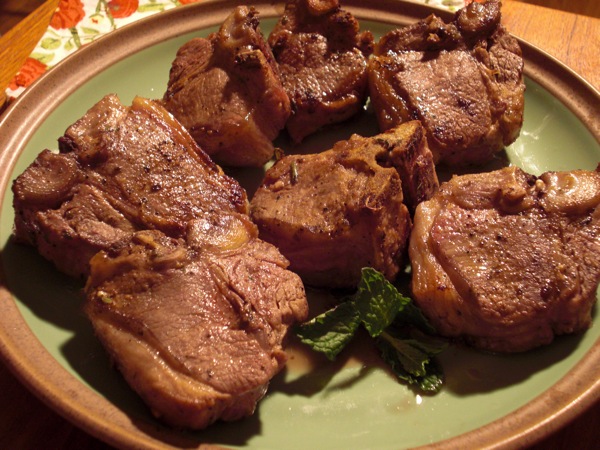
lamb chops
Lamb Chops are Gluten-Free

Don’t worry about not having enough gluten-free choices when you phase out processed food. Fresh beef, pork, fish, seafood, poultry, dairy, vegetables, legumes, nuts, seeds, fruit, herbs, and spices have never contained gluten. By combining these ingredients you can make a seemingly unlimited number of delicious and healthy combinations.

More fresh food means less risk for Metabolic Syndrome. Let’s phase out that processed food, get out those aprons, and start cooking to thrive!
*For more information, see these resources:
http://www.nlm.nih.gov/medlineplus/metabolicsyndrome.html

Lustig, Robert. Fat Chance.; Beating the Odds Against Sugar, Processed Food, Obesity, and Disease. New York: Penguin Group (USA) Incorporated, 2013. Print.

••http://www.heart.org/HEARTORG/GettingHealthy/NutritionCenter/HealthyDietGoals/Sugars-and-Carbohydrates_UCM_303296_Article.jsp

Server card ad

Haste Not Waste

Have a pantry full of mac & cheese, snack cakes, stuffing, pasta, complete boxed meals, flavored rice mixes, breakfast cereal, packets of instant oatmeal, biscuit mix, pancake mix, muffin mix, cake mix, and granola bars? Can’t stand the idea of it going to waste? I hear you. I hate wasting food.

If you are hesitant to begin an eating plan that lowers your carbs and sodium, or eliminates chemicals, starches, sugar, or gluten while the pantry is full, remember that it’s never too early to start getting healthy and the shelf life of boxed food is l-o-n-g. As you continue to consume foods that harm your system, your resolve to make positive changes can begin to wane, especially when you feel bad. How can you bridge the disconnect between your desire for better health and your guilt over wasting food? What if you can make haste without waste?

Instead of waiting until you’ve used the food you have on hand to start a healthy eating plan, consider donating that food to those in need or to those who you appreciate. Look around your community for the opportunity that best fits your values.

In my city, it is possible to donate food to a nonprofit food bank, a homeless shelter, and several church food pantries. There are online groups like Freecycle that allow members to offer any sort of item at no cost to other group members. Some local fire stations accept food donations giving you a chance to take your kids to visit the firemen when you drop off the food. Not only can your children learn about personally helping others, they can get a first hand view of a public service career.

For those of you with ample storage space and advanced will power, move the processed food items out of your pantry into long-term storage. Pull out and cook these items when you attend a potluck or donate to a bake sale. Do not replenish this store and soon your supply will be depleted.

If you feel you need one last hurrah before choosing a healthy path, have a party. Let the menu consist of the mismatched processed foods you have on hand. Create a memory card for each dish that says things like: Thank you Frosted Mini Wheats for making my leftover milk sugary sweet; thank you mac & cheese for making me feel like a 10 year old again; thank you granola bars for keeping my shirt clean when I eat in the car. These cards will be great conversation starters as you and your friends travel down memory lane.

Once you’ve emptied the pantry in a guilt-free manner, there will be room for healthy replacements. Once you let go of your old eating habits, you will have the energy to replace those habits with new ones. You are important. Your health is critical to your well being. You cannot afford to continue to delay. Now is the time to make haste, not waste.