Free-Range Grazing in My Kitchen

My family just spent a couple of days free-range grazing in my kitchen. That wasn’t exactly what I envisioned. All I wanted to do was have a large pot of something prepared before my out-of-town guests arrived so that there was food within reach if anyone got hungry.

I don’t know about your family, but you don’t ever want mine to get hungry. We don’t just get hangry, we go ballistic. It is not a pretty sight!

I settled on beef stew and bought stew meat, small purple and white potatoes, various colors of carrots, and boiling onions. So that my sauce would thicken on its own, I coated the meat with a mixture of corn starch, tapioca starch, sweet white sorghum flour, garlic powder, salt, and black pepper before browning it in olive oil.

A couple of hours later, I had traditional beef stew boiling on the stove and a plane to meet at the airport. The crew arrived hungry and started on the beef stew immediately. I threw together some cornbread. All was well.

The next morning, two more sections of the family would arrive. Instead of fixing breakfast while the LA crowd slept, I made pasta sauce enhanced with salami and pork chops with rice. At the time I thought I was prepping for the following days. That’s not how it worked out.

Somehow, as the crowd gathered food started disappearing. I brought out the left over stew and cooked gluten-free pasta to add to my sauce. Before long everyone had a plate of something. A few hours later, everyone had a plate of something else.

The snack bucket I had stocked with gluten-free pretzels, trail mix, peanut butter, crackers, and chips began to empty. Green banana eaters and ripe banana eaters grabbed bananas. The left over cornbread got slathered with honey.

Food disappeared in waves. I ran out of bowls. We grabbed mixing bowls. I cooked frozen gluten-free pizza to fill in the pasta gap once the pasta was gone. The extra salami not used in pasta sauce ended up on crackers.

The kids played, we laughed, and no one ever got hungry. In fact, no one even got fussy much less hangry. Eventually, the dishes got washed. And after a couple of days of free-range grazing, most everyone went home to graze in their own kitchens.

I still have some clean-up to do, but it was a great visit proving a little food can go a long way toward building happy families!

Spring is for Renewal – Even in the Kitchen!

Spring is for renewal – even in the kitchen! The winter season is hanging on here and there, but the spring growing season will soon arrive with wild contributions of poke salat, dandelion greens, and lamb’s quarters.
lettuce
Of course you’re not required to eat from your yard. Farmers markets, food co-ops and select grocery stores will fill vegetable bins with leaf lettuce, spinach, chard and kale. Fresh vegetables deserve a fresh presentation now and then and spring feels like the proper time for renewed inventiveness in the kitchen.

When I was growing up, I couldn’t wait to pick leaf lettuce from the garden my grandmother planted at our farm. It was so tender and flavorful, nothing like an iceberg lettuce wedge which I only really appreciate when drenched in bleu cheese dressing topped with bacon pieces. For years, it was the only lettuce I knew. (How lucky was I?)

The vegetables we grew were what we ate. My mom wasn’t going to drive into town to buy different vegetables from the store when we had perfectly good ones peeking through the dirt across the driveway. Of course, we didn’t want to eat the same thing every day, so necessity became the mother of invention. New combinations or cooking methods developed on the fly.

A few years ago when I first purchased a share in an organic farm, I noticed that a similar thing happened in my kitchen. Rather than plan meals and make a shopping list, I was suddenly planning dishes based on the surprise ingredients I received each Friday when I picked up my share from the farm. Not knowing in advance what I would get made the experience feel like a cooking adventure. It renewed my sense of creativity in the kitchen.

Now, when the weather warms, I can’t help but feel an excited anticipation for the arrival of fresh tender greens, small green onions, beets, peas, asparagus, and broccoli. I love the bright colors! I love the flavors! And I love having a chance to think of new combinations!

I was thinking about giving you some recipes next, but that might keep you from the fun of creating your own. I would never want to rob you of fun! Instead, here are the top 8 ingredients I like to have available to pair with fresh veggies:

Avocados
While they’re great for soooo many things, it’s not always practical to keep an avocado in the kitchen. I can’t tell you how many I’ve thrown away because I wasn’t paying enough attention to the changing level of ripeness.

Now I keep Wholly Guacamole avocado minis on hand. I can use them in anything requiring mashed avocado without worrying whether they’ve gone bad.

Goat Cheese
The light creaminess of goat cheese won’t overpower even delicate garden flavors.

Boiled Eggs
Keeping a few boiled eggs in the refrigerator comes in handy for salads and casseroles as well as pasta dishes.

Fresh Ginger
Grated fresh ginger is delicious with beets or green beans and can give salad dressing a kick.

Mint
Any fresh herb could make this list on a given day, but today I like mint. Tomorrow, who knows, I may like cilantro.

Mirin or Rice Vinegar
Mirin is a rice wine with a light sweet flavor. Both mirin and rice vinegar add light acidity to a dish or dressing.

Toasted Pumpkin Seeds
I buy hulled pumpkin seeds and toast them in the oven with a little olive oil spray and salt. They bring a satisfying crunch and earthy flavor to salads. They’re great by the handful too.

quinoaQuinoa
I like the texture of quinoa. It works great as a base for a Buddha bowl or a salad and it has a higher protein-to-carb ratio than rice.

With these ingredients, or your own favorites, you’ll be well equipped for a variety of spring culinary creations. Inspiration for combinations can come from anywhere — accidentally tasting two things together on your plate, a dish you’re served in a restaurant, something you remember from childhood, a recipe you want to vary, a cooking show, a painting — literally anything!

This is the kind of post that makes my sister crazy! She would be much happier with an actual recipe. I want her to learn to play with flavors. Mostly, I want her to have the pleasure of discovering something new, delicious, and totally unexpected that she created. I want that experience for all of us! It feels so great on so many levels!
I feel so grateful that spring offers the bounty for such opportunities over and over and over again! It truly is a time of renewal.

https://www.eatwholly.com/products/chunky-avocado/wholly-chunky-avocado-minis/

Why Did Your Grandma Make Chicken Soup?

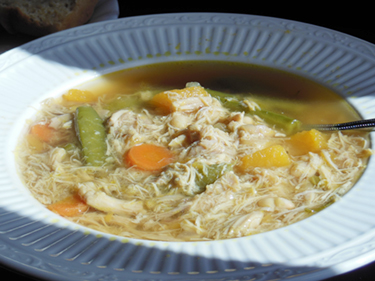
Why did your grandma make chicken soup? Well, she may not have. She may have bought it in a can, but I bet she served you some when you felt under the weather. It’s what grandmas do. Even moms do it. And the good news is, chicken soup really does help you recover from a cold.
soup
Of course, these days grandma may make chicken soup when the grandkids come for a visit because she knows she’ll be needing some. Kids are collectors of viruses that they’re happy to share.

I think DJ recently fed me a poison peach. He had a bite on his fork. He held it out. I leaned in close to say, “Nummy nummy num” and pretend to eat it. With perfect timing as I pursed my lips, he shoved the bite in my mouth. Stupid kid germs! Now I have a really bad cold. I need chicken soup!

So what makes chicken soup good for you when you have a cold?

First, it contains the protein building block carnosine. Carnosine is produced naturally by the body and is important for proper function of the heart, brain, liver, and kidneys. Giving your body an extra boost of this dipeptide molecule may help reduce some stress on the body while it’s fighting a virus. Both homemade soup and store-bought soup contain carnosine.

Some research indicates that chicken soup may slow the gathering of white cells in the lungs in response to a virus. This may help reduce the coughing, sneezing, and stuffy nose symptoms that make a cold so miserable.

Homemade chicken soup can be nutrient rich from the chicken and vegetables you choose to include. Carrots add beta-carotene. Celery adds vitamin C. Onions add antioxidants. Button mushrooms add B vitamins, riboflavin, and niacin. Chicken adds protein. These nutrients support your immune system and give your cells fuel to rebuild.

Chicken soup is often fairly salty. The salt helps carry bacteria away from the mouth, throat, and tonsils much like a saltwater gargle.

Get plenty of fluids is the most common advice given to anyone recovering from a cold. If you have a fever, fluids are especially important to prevent dehydration. They also help flush the body. Consuming chicken soup automatically adds fluids to your daily intake.

The warmth of chicken soup soothes a sore throat. The steam helps cleanse the sinuses. The added touch of grandma’s soothing tones when she serves you warms your soul. Or so they say.

Chicken soup may have been a comforting, loving tradition long before we could scientifically prove it had healing properties. That didn’t make it any less effective. Somehow, we know that comforting, loving traditions have mysterious healing properties.

https://healthybutsmart.com/carnosine/

https://share.upmc.com/2014/12/health-benefits-chicken-noodle-soup/

http://www.cooking2thrive.com/blog/good-day-chicken-soup/

Time Is On Your Side

jellyThere’s no need for pressure in the kitchen; time is on your side. If you’re a fan of TV cooking shows, it may seem like cooking is a timed event. That may be true in reality TV, but it is not reality. In fact, taking your time in the kitchen can bring added benefits!
Of course, it makes sense that TV shows time challenges to build tension that will keep you watching through the breaks, but that might not seem so normal if we hadn’t gradually filled our days with more and more activity and more and more distractions to the point that hurrying has become a way of life. If we begin to think of cooking as a challenge to be conquered in a certain amount of time, we may end up with good-tasting food, but we’ll miss the joy of the process.
tomatoes
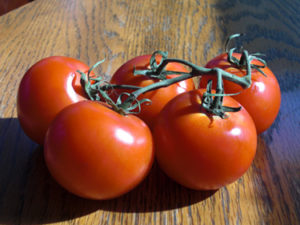
My grandmother worked, gardened, canned, and cooked. When she made tomato juice, it was no 30 minute process! In fact, it stretched over months. She planted tomato seeds, tended the garden, harvested the tomatoes, cooked them down, pressed them through a cheesecloth lined chinois using a wooden pestle into sterilized jars, then topped the jars and placed them in a pressure canner for about 25 minutes. Whatever time she spent was worth it! It was the most delicious tomato juice I’ve ever tasted and it only contained tomatoes and salt.

You don’t have to begin with seeds to make delicious food. I only relate the story to help put things in perspective. My grandmother thought nothing of spending an entire day in the kitchen canning tomato juice. There was no hurry to her process.

Viewing meal preparation as a hurry-up-and-get-it-over-with experience adds pressure and robs us of the chance to:

Explore

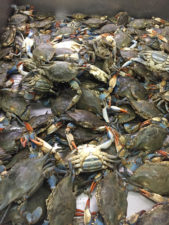
Taking time to scout for unique ingredients can lead you to ethnic grocery stores, pick-your-own farms, urban gardens, farmer’s markets or produce stands along the highway. Picking strawberries, choosing blue crabs, or tasting churros at an unfamiliar mercado can be a great way to explore your area and spend time together as a family.
blue crabs
Experiment

If you’re trying to get out of the kitchen quickly, you’re unlikely to try something new. Experiments are, by nature, less predictable in time and result than dishes you’ve prepared many times. But eating the same thing over and over gets tiring. Why not make cherry upside down brownies? Why not slow roast a pork butt for the neighborhood barbecue? Why not cook the greens from the tops of radishes and beets? Why not try making croissants?

Teach

There are tons of lessons to be learned in the kitchen. If you’re hurrying through meal prep, you’ll have no time to teach those lessons. Not only will your kids miss out on learning, they’ll miss valuable memories of spending time with you while surrounded by warmth and the aroma of bread baking.

Dance

Kitchen prep time is great for dancing along to your favorite tunes or having a family sing-a-long. Think of it as multitasking in the best sense of the word.

Savor

It’s impossible to be fully present in the moment when you’re rushing around. If you slow down enough to smell each ingredient, notice its texture, carve it carefully, or roll it evenly, you’ll have a chance to savor each tactile delight.

I love being in the kitchen. I know it makes me feel better, and yet sometimes I fight cooking. I wait too long to start and get too hungry. I fail to inventory my pantry for ingredients, lack something essential, and refuse to substitute. I wait too long to cook some meat and it’s spoiled when I open it. While this doesn’t make me proud, I just have to let it go.

I know the value of being in the kitchen and I am usually mindful enough to enjoy the experience when I’m there. Lots of new recipes and delicious food have resulted from my less than perfect kitchen attendance. I’m going to let that be good enough. From this point, I plan to take my time and savor more and more joy during my kitchen time.

http://www.cooking2thrive.com/blog/the-benefits-of-cooking-part-3-the-lessons/