Food is Gross

We like to think of food as beautiful, delicious, and clean, but often the most tasty food is gross if you examine it closely.

I love shiitake mushrooms. I find them scrumptious. But they’re fungi. As a rule, when you say fungus, my mouth doesn’t start watering for a taste. I imagine something that makes me want to wear shower shoes.

But mushrooms aren’t the only fungi we eat. Miso is fermented using the fungus Aspergillus oryzae. Soy sauce, beer, wine, and cheese also make use of fungi.

Bacteria? Keep that away from my food at all costs! Isn’t that why we refrigerate immediately? Isn’t it why we wash our hands after handling meat? Don’t we have LOTS of kitchen rules to keep us safe from bacteria? Of course we do.

And yet, bacteria fill many of our foods and even enhance their flavor. Consider yogurt, aged beef, kombucha, sauerkraut, buttermilk, bleu, Swiss, provolone, Gouda, and cheddar cheese. All of these are better because of bacteria.

In addition to bacteria, some cheeses contain high amounts of mold. And here we go again…mold reminds me of moldy bread, black sheetrock, and…the shower. It sounds gross. On the other hand, I love the taste of bleu cheese dressing over a wedge of iceberg lettuce on a chilled plate! In fact, I love bleu cheese so much, you can hold the bacon.

Sake may be full of mold too. At least the perception of this one’s easy to fix. Drink more!

All of these gross-sounding things are only that – gross sounding. They taste delicious. Not only that, they may be good for your gut health.

I saw a TikTok this weekend about worms on salmon at the store. Again, that sounds gross. And yet, they’re harmful as long as the fish has been cooked before you eat it.

We haven’t mentioned the sound of cutting through chicken bones or the blood that gathers in the bottom of a bag of fresh meat, but those are gross too.

I recently bought some goat milk and poured it over cereal. I really didn’t like the taste. A few days later, I ate some goat cheese. I love goat cheese. But because it tasted so much like the milk I hadn’t enjoyed; I couldn’t stand to eat it.

I’m not saying we should relax kitchen or food safety rules. Food borne illness can be deadly. But I’m pretty sure we sometimes waste food that seems gross but wouldn’t really harm us. It’s more about distorted perception.

When you think about it, why not eat cow tongue, pig intestine, lamb brains, buffalo testicles, snake, crickets, and grasshoppers? Lots of delicious food is gross!

ad

Why Did Your Grandma Make Chicken Soup?

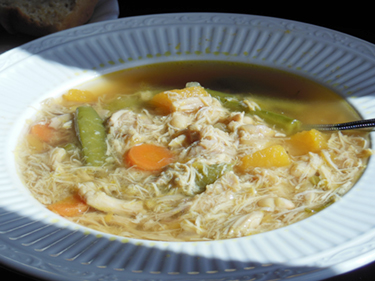
Why did your grandma make chicken soup? Well, she may not have. She may have bought it in a can, but I bet she served you some when you felt under the weather. It’s what grandmas do. Even moms do it. And the good news is, chicken soup really does help you recover from a cold.
soup
Of course, these days grandma may make chicken soup when the grandkids come for a visit because she knows she’ll be needing some. Kids are collectors of viruses that they’re happy to share.

I think DJ recently fed me a poison peach. He had a bite on his fork. He held it out. I leaned in close to say, “Nummy nummy num” and pretend to eat it. With perfect timing as I pursed my lips, he shoved the bite in my mouth. Stupid kid germs! Now I have a really bad cold. I need chicken soup!

So what makes chicken soup good for you when you have a cold?

First, it contains the protein building block carnosine. Carnosine is produced naturally by the body and is important for proper function of the heart, brain, liver, and kidneys. Giving your body an extra boost of this dipeptide molecule may help reduce some stress on the body while it’s fighting a virus. Both homemade soup and store-bought soup contain carnosine.

Some research indicates that chicken soup may slow the gathering of white cells in the lungs in response to a virus. This may help reduce the coughing, sneezing, and stuffy nose symptoms that make a cold so miserable.

Homemade chicken soup can be nutrient rich from the chicken and vegetables you choose to include. Carrots add beta-carotene. Celery adds vitamin C. Onions add antioxidants. Button mushrooms add B vitamins, riboflavin, and niacin. Chicken adds protein. These nutrients support your immune system and give your cells fuel to rebuild.

Chicken soup is often fairly salty. The salt helps carry bacteria away from the mouth, throat, and tonsils much like a saltwater gargle.

Get plenty of fluids is the most common advice given to anyone recovering from a cold. If you have a fever, fluids are especially important to prevent dehydration. They also help flush the body. Consuming chicken soup automatically adds fluids to your daily intake.

The warmth of chicken soup soothes a sore throat. The steam helps cleanse the sinuses. The added touch of grandma’s soothing tones when she serves you warms your soul. Or so they say.

Chicken soup may have been a comforting, loving tradition long before we could scientifically prove it had healing properties. That didn’t make it any less effective. Somehow, we know that comforting, loving traditions have mysterious healing properties.

https://healthybutsmart.com/carnosine/

https://share.upmc.com/2014/12/health-benefits-chicken-noodle-soup/

http://www.cooking2thrive.com/blog/good-day-chicken-soup/