
They also tenderize tough cuts of meat and reduce the formation of harmful chemicals when grilling.
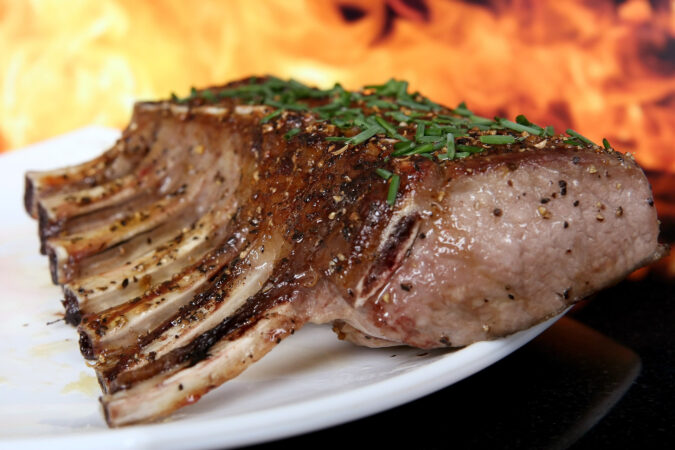
Tenderizing occurs when the acid in a marinade containing vinegar, wine, or fruit juice begins to break down the meat. Marinades that include papaya, guava, pineapple, and ginger contain enzymes that also break down tissue so fluid and seasonings enter the meat.
The two basic types of marinade are wet and dry. Wet marinades are usually prepared, then refrigerated while the meat marinates. A wet marinade typically contains acid, olive or sesame oil, and flavorings like herbs and spices. The flavor profile can vary widely.
The classic steak marinade consists of red wine vinegar, Worcestershire sauce, olive oil, salt, oregano, thyme, pepper, onion powder, and garlic. Jamaican jerk chicken or pork is marinated in a mix of onion, scallions, a hot pepper, soy sauce, olive oil, cider vinegar, fresh thyme, sugar, salt, ground allspice, ground black pepper, nutmeg, cinnamon, and hot sauce. A Mexican marinade would typically contain cilantro, cumin, oregano, chili powder along with garlic, lime vinegar and oil.
Marinades are fun to play with. Throw a few things in a bowl, taste (BEFORE you add raw protein), and adjust until you achieve the flavor you want. I rarely use a marinade recipe. I just decide a flavor direction and then start throwing things together.
Some people like using buttermilk or yogurt as a marinade base. For some recipes, a tomato base may be preferable. I’ve used diet coke as a base to marinate lamb and I’ve added leftover coffee or tea to marinades as well.
And you may not want a liquid base at all. Dry marinades are also an option. These marinades can have salt added to help break down proteins in the meat. Dry rubs will adhere better if you coat the meat with lard or oil.
For dry rubs, combining sweet, savory, and spicy is the goal. Light or dark brown sugar is a sweet element that will caramelize in the heat. Savory flavor comes from salt, black pepper, onion powder, garlic powder and herbs like cumin or coriander. Smoked paprika adds both savory flavor and mild heat. For additional heat, cayenne or chili powder will work.
Once you’ve mixed up a marinade and applied it to meat, how long should you leave it? Five to six hours will give you the best flavor and texture, but shorter and longer time frames are workable.
Overnight is probably the longest time frame to consider without the risk of stringy or dry meat. On the short side, ten to twenty minutes while you prep other elements of a meal can have a positive effect. I rarely go under thirty minutes, but I’m not a fast prepper so this works within the context of prepping a full meal.
Improved flavor, moisture level, and texture are solid reasons for using a marinade. If you aren’t in the habit, give it a try!
