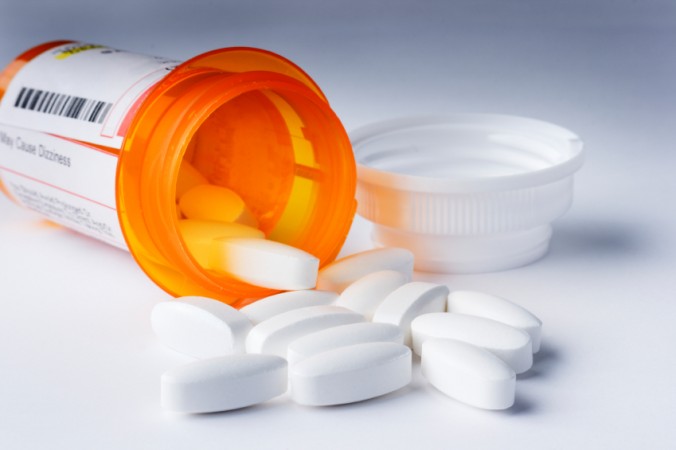
Pharmaceuticals are drugs. Over-the-counter medicines are drugs. Supplements are drugs. Period. But sometimes we don’t really act that way.
We take supplements along with prescription drugs without ever checking to see if there can be a bad interaction between the two. We don’t research the company that manufactures our supplements to see if they’re reputable even though we know the supplements are not regulated by the FDA. We pop Tylenol after a late night of drinking with no consideration of the consequences to our liver. We tell our children not to use marijuana, heroin, meth, ecstasy, or bath salts, but encourage them to take Adderall, Dexedrine, Xanax, Prozac, Paxil, Lexapro, Luvox, Celexa, Zoloft, Lorcet, Lortab, Norco, Dilaudid, OxyContin, Oxyfast, and Percocet without always exploring non-drug treatment options.
It’s like we have collectively lost our healthy respect for the power of these substances and their possible detrimental side effects or perhaps it’s overshadowed by our collective expectation of a quick resolution to all of our immediate problems. Whatever this attitude shift is, it’s affecting our health and our society. The CDC reports that since 1999, the amount of pain reported by Americans has stayed about the same, but the amount of prescription pain relievers prescribed and sold has more than quadrupled (1).
I have noticed a change in the way my doctors and dentists approach treatment and the use of medication. When I had all of my wisdom teeth out a few years ago and was visibly bruised down to the base of my neck, I was prescribed two days worth of codeine. More recently, I was prescribed a week’s worth of hydrocodone following the removal of a single root from one tooth in a 15 minute procedure. I filled the prescription on the way home assuming I’d be in severe pain when the deadening wore off. Interestingly, my pain was hardly noticeable and only required one day’s worth of Extra Strength Tylenol. My family physician now uses a medicate-and-see mode for diagnosis rather than the remove-all-medications-and-see-what-happens approach to diagnosis that I experienced at the Ochsner Clinic in 1989 when I had psittacosis.
I have a friend who calls her doctor for Vicodin whenever her life gets stressful, another who calls her gynecologist for Valium when she needs to take the edge off, and several who swear by their longstanding prescriptions for Xanax. All of them are well supplied and none of them are in therapy. None of them think this odd.

This sort of matter-of-fact incorporation of highly addictive substances into our everyday lives without examination is leading to alarming trends. According to the CDC, 44 people per day die in the US from prescription drug overdose(2), and some users turn to heroin as a less expensive alternative. The number of chronic heroin users in the US in 2014 was reported by Forbes as being estimated at approximately 1.5 million.
While many of us have no experience with addiction, we all know that pharmaceuticals have side effects. Many times it takes years on the market and numerous injuries before a drug is deemed unsafe or prescriptions for it are limited. Perhaps it’s best not to treat drugs casually at all.
I’m not saying we should avoid doctors, their advice, or all medications or supplements. It just seems that now is a good time to get curious about everything we choose to ingest. It’s easier than ever to access information, so why not learn as much as we can about medication, supplements, and food so that we can make informed choices?
Where should the research begin? You can start with anything. Pharmaceuticals are drugs. Over-the-counter medicines are drugs. Supplements are drugs. All of these substances deserve research. Responsibility for our health and the quality of our lives falls appropriately on our shoulders.
When we fail to get informed, we relinquish some of the power we have over our own destiny. Hopefully, when we make that choice it is deliberate rather than by default. Otherwise, we will feel diminished by the process rather than empowered by our choice. My wish is for all of us to choose well and feel powerful.

1)http://www.cdc.gov/drugoverdose/
2)http://www.cdc.gov/drugoverdose/epidemic/index.html
3)http://www.forbes.com/sites/jacobsullum/2014/03/10/how-many-daily-heroin-users-are-there-in-the-u-s-somewhere-between-60000-and-1-million-maybe/
Disclosure of Material Connection: I have not received any compensation for writing this post. I have no material connection to the brands, products, or services that I have mentioned. I am disclosing this in accordance with the Federal Trade Commission’s 16 CFR, Part 255: “Guides Concerning the Use of Endorsements and Testimonials in Advertising.”