A Coup for the Coupe

In the world of cocktail glasses, it’s a coup for the coupe. And I’m a fan. I’ve always preferred both champagne and ice cream sundaes from wide, shallow stemmed glasses. I’m never as happy with a champagne flute.

Long rumored to be modeled after Marie Antoinnette’s breast, the coupe oozed sophistication in black & white televisions shows. Often etched with a delicate pattern, it looks lovely in a china cabinet, and it feels stable in my hand even if I wave it around to make a point.

According to a 2021 article in New York Magazine, “In most modern cocktail bars, the coupe has dethroned the V-shaped martini glass as the go-to.” Again, I’m a fan. Several Hendrick’s gin martinis served in chilled coupes garnished with brined green tomatoes from my garden (tomolives) have made the past week delightful!

In fact, last week almost had the power to erase my first martini drinking experience which was less than pleasant. Part of the problem was my first martini was served in a rocks glass. At someone’s house, I might not have thought much of it, but I was at the Court of Two Sisters in New Orleans where I expected a stemmed glass so the martini would remain chilled.

At home, I’m not a proponent of purchasing glasses for entertaining that you’ll rarely use, but knowing why certain drinks are served in a certain shape can help you decide the best option from your collection or whether it’s worth borrowing or renting.

Since we began with the coupe, let’s stick there for a moment. These glasses typically hold 6ozs, are versatile, and work well for sipping champagne or serving a wide variety of cocktails. The shape is good for a drink that’s shaken or stirred with ice and served chilled as well as one served without ice. The stem keeps the cocktail cool while you sip. And it’s easy to find graceful vintage coupes at antique shops.

The stems on red and white wine glasses also help maintain temperature control. Wine glasses hold more volume than a coupe by means of a deeper bowl. The top opening is smaller, but large enough to stick your nose in to enjoy the aromas. Red wine glasses tend to be larger (8-22ozs) than whites (8 to 12ozs) to allow room for bolder, fuller flavors to breathe.

Rocks glasses don’t need stems because they’re designed to hold ice cubes. They are less delicate than coupes or wines and have steep sides and an open mouth that makes stirring easy. In spite of the steep sides that allow a rocks glass to hold 6-10ozs, a standard rocks pour is about 2ozs. As a result, rocks glasses rarely look full when drinks are served.

Highball glasses often feature cocktails served with soda water. The tall, thin shape assists temperature control and bubble preservation.

Nick and Nora glasses are a newer addition to the craft-cocktail serving line-up, but they have become common for serving stirred drinks including martinis. Nick and Nora glasses have a bell-like round bottom with a wide top. They fall somewhere between a coupe and small wine glass and hold 3-4ozs.

To round out your cocktail glassware, you may want smaller glasses to serve dessert wines or liqueurs. You can add other specialty items– snifters, copper mugs, sake glasses, julep cups, Irish coffee glasses, flutes – if you are serving drinks that will benefit from traditional shape or function. But if you want to serve martinis, Gibsons, cosmos, daiquiris, greyhounds, Rob Roys, sidecars, gimlets, and a host of other cocktails, a coupe is always a good bet. It’s the most versatile glass to use when hosting a cocktail party.

Elegant, rounded lines with a wide mouth that easily supports garnish and a stem to keep the cocktail cool helped it squeeze out the V-shaped martini glass in a coup for the coupe.

Disclosure of Material Connection: I have not received any compensation for writing this post. I have no material connection to the brands, products, or services that I have mentioned. I am disclosing this in accordance with the Federal Trade Commission’s 16 CFR, Part 255: “Guides Concerning the Use of Endorsements and Testimonials in Advertising.”

ad

The Best Hostess

Planet Earth is the best hostess! I like to think of the planet as a supportive partner. Earth offers all the basics – air, food, water, sources of heat, light for productive hours and dark for rest, resources for shelter and clothing, and elements that we can combine to create even more possibilities. The earth spins so that we don’t have to worry about falling off and affords us awe inspiringly beautiful views. I simply can’t think of a better host or hostess.

earth_hostess

I sometimes wonder how much healthier we might be if we lived with this thought top of mind and worked more cooperatively with nature. My gut tells me we’d probably feel more peaceful. We could definitely avoid some clear and present pitfalls.

This question came up again last week when we discovered black widow spiders living under some rocks near my house. Like most of us do when we see harmful bugs, I called the exterminator. I really don’t want poisonous spiders in my house or my RV which was parked nearby.

Instead of extoling the virtues of the chemicals he was about to spray, the exterminator said I should get some wolf spiders to eat the black widows. I found this interesting and worth researching. I already didn’t allow him to spray in my house, but maybe I don’t need him to spray the porches either.

I’m certainly comfortable with fewer chemicals. I’ve been killing poison ivy and weeds with vinegar, salt, and a little dish soap for several years and only using diluted dish soap to kill bugs in the garden. This summer, I haven’t even used that in the garden and the yields have been generous. And I feel better about eating the food.

Given the possible links between herbicides and cancer risk, drugs and cancer risk, and food additives and cancer risk, it seems that many chemical compounds are best limited or avoided altogether. I feel certain many gut issues and inflammation are attributable to the body’s interpretation of foreign substances.

I’m not saying you should throw everything out and start over, never take an antibiotic, or never eat a piece of bacon. Obviously, I called the exterminator. I’m thinking more along the lines of shifting our cultural view of the Earth from something to be conquered and subjugated to a marvelous host to be celebrated and appreciated.

Would that change how we route, deliver, and use water? Would it alter how and where we build roads? Would it change how we house and feed chickens, turkeys, and cows? Maybe not. But it might. And I feel as though it would improve our quality of life.

Many of us know that walking through the woods, getting our hands dirty in the garden, watching a colorful sunset, breathing in the fragrance of a lilac or hyacinth, or taking in the view on the edge of a cliff can have a positive, healing effect. Just like a good host, nature makes us feel better.

Perhaps it’s time to recognize Earth is the best host/hostess and treat it as such.

Keep Me Satisfied

Sometimes it’s hard to find a meal that will keep me satisfied until it’s mealtime again. Some days it’s no problem at all. Why? I’m trying to figure out the pattern.

Years ago, I took some online diet test that was designed to separate people into 3 groups – those who need primarily protein, those who need primarily carbs, and those who need a balance of the two at each meal. I don’t remember much about the site or whether there was science to support it. I have seen anecdotal evidence that make the premise feel true.

I tend to believe that I feel best with a balance, but I can still feel inexplicably hungry after eating plenty of calories. And I can feel full after eating not nearly enough. Sometimes the most frustrating thing to understand is why I feel hungrier 30 minutes after I eat than I did before I started.

Most likely, the explanation is that my gut/brain connection does not function optimally. When we eat, nerve receptors in the stomach sense when the stomach is full. They send a signal to the brain that should result in a sensation of fullness.

Conditions like stomach ulcers, IBS, and reflux can contribute to feelings of early satiety. It stands to reason that any intestinal damage due to celiac disease could affect the messages that travel from my gut to my brain.

The specific cause may not be diagnosable, but knowing my senses are off kilter is important. Being aware can help me make sure I ingest enough nutrition, and also help me stop eating before I consume calories I don’t need.

Of course, that’s all easier said than done. If I don’t feel hungry, it’s hard to get myself to eat. If I feel like I’m starving, it’s hard to keep myself from eating until I feel full – even if that means eating way more than I should eat.

Trial and error tell me that to keep things even keel I need a meal with red meat every two or three days. I need a little protein along with carbs in the morning. Lunch and dinner should include a bulky salad, black beans, or a baked potato along with protein, fruit, and gluten-free crackers or bread. Other vegetables are great, but don’t often do much to make me feel full.

Eating at regular intervals spaced about 3 hours apart gives me the best results as far as keeping my energy steady and avoiding major feelings of hunger. When eating often, the amount doesn’t have to be large.

I may never get the puzzle exactly right, but doing the things I know work as frequently as possible can at least help keep me satisfied.

Progress in Reverse

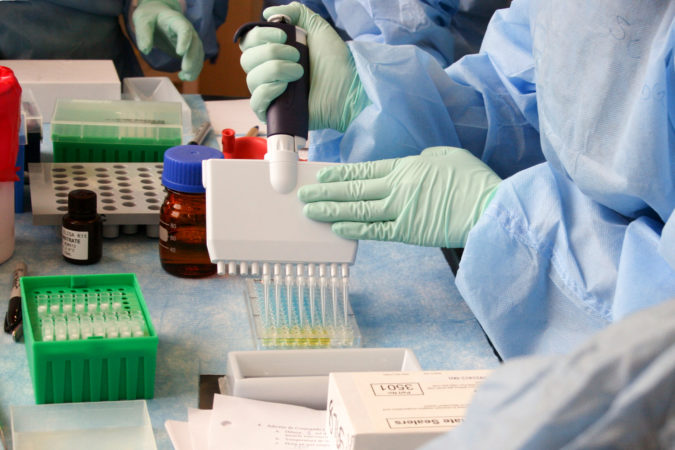
Reverse vaccines are also called inverse or tolerogenic vaccines because, if successful, they will help your system tolerate things that now trigger an adverse autoimmune response. For someone with celiac disease, that could mean being able to tolerate wheat, rye, barley, and malt. This would be a great relief for many people, but it won’t happen tomorrow. Research takes time.

lab

A new Phase 1 Trial is being held to determine whether progress in reverse will be progress forward when it comes to therapy for celiac disease. That may sound backward. And it is. Reverse in this case refers to a vaccine that will work to suppress an immune response rather than rev it up.

The tolerogenic concept has been pursued for at least 15 years. Current treatments for the 80 known autoimmune diseases that affect more than 5% of the population involve blocking the immune system with drugs. This is problematic because the drugs often lack specificity and leave patients at risk for side effects, opportunistic infections, and malignancies. Another downside is that the drugs must be taken for the rest of your life and they are not preventative or curative.

In the hope of finding better options, tolerogenic mRNA vaccines for multiple sclerosis and rheumatoid arthritis have been explored in trials using mouse models. There has been progress and the approach has experienced limitations. The search for the best approach continues.

This new celiac disease trial attempts to move the needle forward by bringing another model into play. It pulls from previous work by Hubbell and colleagues’ research that included synthetically glycosylated antigens used in an attempt to prevent Type 1 diabetes (I’m greatly simplifying here). In that research, they worked from an idea that had been previously written about – using the liver’s tolerogenic environment as a school in which resident antigen-presenting cells train circuiting immune cells to tolerate specific antigens and create TReg memory.

They explain how this works as: “The liver naturally marks molecules from broken-down cells with ‘do not attack’ flags to prevent autoimmune reaction to cells that die by natural processes. [The glycosylation] coupled an antigen with a molecule resembling a fragment of an aged cell that the liver would recognize as friend, rather than foe.” In an MS model, they were able to demonstrate this works as an effective treatment – glycosylated myelin proteins stopped neural damage and reversed symptoms. This is the approach they’ll use in the celiac Phase 1 trial.

The trial is small – just 41 patients. But that’s common these days. I’ve reviewed grants for multiple studies that proposed a small number of participants. Many of those received funding. Some of them go on to become therapies. Many do not.

It’s too early to tell whether this research will result in a successful inverse or reverse vaccine, but all research moves us forward. There is much knowledge to be gained, even from studies that fail.

If you’re interested in participating in clinical trials, you can use tools like ResearchMatch to find an appropriate match or ask your doctor or pharmacist. Not all trials involve drug research. Some focus on MRIs or a specific type of diet or workout. Others look at interventions like watching videos. Some studies pay. Others do not.

Progress in reverse can be progress forward and we can all participate in efforts to increase knowledge.