
Reverse vaccines are also called inverse or tolerogenic vaccines because, if successful, they will help your system tolerate things that now trigger an adverse autoimmune response. For someone with celiac disease, that could mean being able to tolerate wheat, rye, barley, and malt. This would be a great relief for many people, but it won’t happen tomorrow. Research takes time.
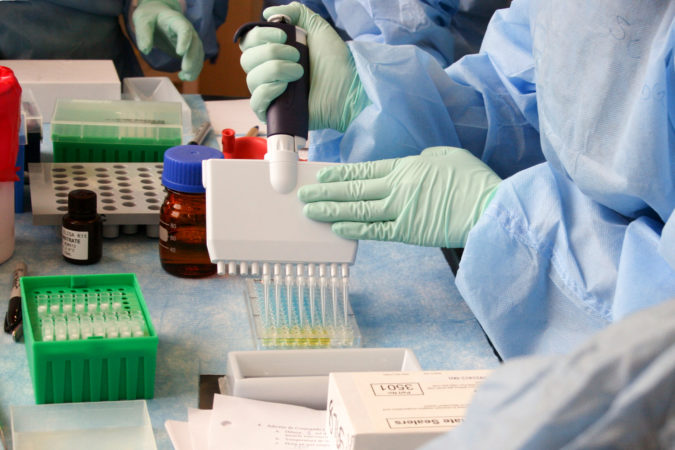
A new Phase 1 Trial is being held to determine whether progress in reverse will be progress forward when it comes to therapy for celiac disease. That may sound backward. And it is. Reverse in this case refers to a vaccine that will work to suppress an immune response rather than rev it up.
The tolerogenic concept has been pursued for at least 15 years. Current treatments for the 80 known autoimmune diseases that affect more than 5% of the population involve blocking the immune system with drugs. This is problematic because the drugs often lack specificity and leave patients at risk for side effects, opportunistic infections, and malignancies. Another downside is that the drugs must be taken for the rest of your life and they are not preventative or curative.
In the hope of finding better options, tolerogenic mRNA vaccines for multiple sclerosis and rheumatoid arthritis have been explored in trials using mouse models. There has been progress and the approach has experienced limitations. The search for the best approach continues.
This new celiac disease trial attempts to move the needle forward by bringing another model into play. It pulls from previous work by Hubbell and colleagues’ research that included synthetically glycosylated antigens used in an attempt to prevent Type 1 diabetes (I’m greatly simplifying here). In that research, they worked from an idea that had been previously written about – using the liver’s tolerogenic environment as a school in which resident antigen-presenting cells train circuiting immune cells to tolerate specific antigens and create TReg memory.
They explain how this works as: “The liver naturally marks molecules from broken-down cells with ‘do not attack’ flags to prevent autoimmune reaction to cells that die by natural processes. [The glycosylation] coupled an antigen with a molecule resembling a fragment of an aged cell that the liver would recognize as friend, rather than foe.” In an MS model, they were able to demonstrate this works as an effective treatment – glycosylated myelin proteins stopped neural damage and reversed symptoms. This is the approach they’ll use in the celiac Phase 1 trial.
The trial is small – just 41 patients. But that’s common these days. I’ve reviewed grants for multiple studies that proposed a small number of participants. Many of those received funding. Some of them go on to become therapies. Many do not.
It’s too early to tell whether this research will result in a successful inverse or reverse vaccine, but all research moves us forward. There is much knowledge to be gained, even from studies that fail.
If you’re interested in participating in clinical trials, you can use tools like ResearchMatch to find an appropriate match or ask your doctor or pharmacist. Not all trials involve drug research. Some focus on MRIs or a specific type of diet or workout. Others look at interventions like watching videos. Some studies pay. Others do not.
Progress in reverse can be progress forward and we can all participate in efforts to increase knowledge.
