
Green, green my lemon’s green…I’m staring at green lemons on my lemon tree wondering whether I can use one instead of lime. Maybe it’s because they look so similar and I only need a squeeze. Maybe it’s because I just need to finish something and move on.
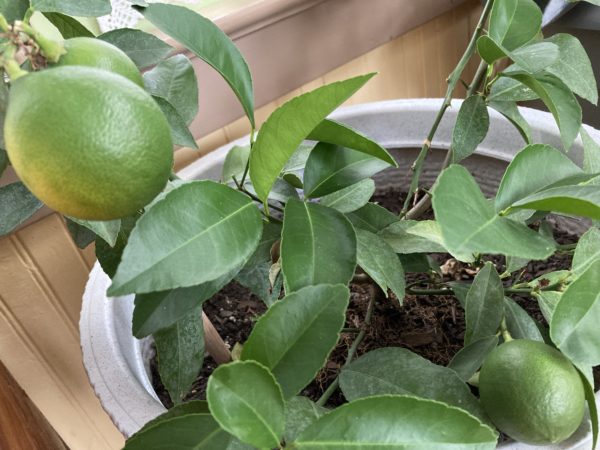
Substitutions usually come naturally to me. A combination of smell and where I want to go with texture lead me to the best option I have on hand. Of course, it’s always good to make sure a new sub is safe. Luckily, an online search puts this information at our fingertips. My lemons are beginning to ripen so I think they’ll work fine.
When I’m baking gluten-free, I often need to substitute. Even though I keep a variety of flours on hand, it seems like I’m perpetually short on the one I need.
Any change I make will affect the dish, but most of the time you wouldn’t notice the difference. I don’t just grab the first flour I see. I think about how a particular ingredient behaves.
Here are some of the things I consider when choosing gluten-free flour substitutes:
Almond Flour – even a small bit lightens a crumb. It also makes an item brown faster. And it adds a possible allergen that should be considered.
Arrowroot Flour – occasionally, I use this in place of tapioca flour but only in small quantities.
Brown Rice Flour – has a grainy texture so it’s best used in small quantities.
Coconut Flour – absorbs more liquid than most flours. I add it sparingly and wait a moment before I decide whether I need more liquid. This flour can be a great choice for cookies or cake. Many packaged baked goods contain coconut products, so the flavor feels familiar in similar items.
Corn Flour – ground finer than corn meal. Corn flour can be substituted for oat, potato, or sorghum flour. If the quantity is large, other adjustments may be necessary.
Garbanzo Bean Flour – often used as breading in Indian dishes. Called besan or chickpea flour. I will use this as a main flour where appropriate, but rarely substitute it other than in tiny amounts because it can have a strong pea flavor.
Oat Flour – best if it’s gluten-free throughout the process rather than mechanically separated. I sometimes use it in place of sweet white sorghum flour.
Potato Flour – not easily used as a substitute because of its fine, sticky texture and distinct flavor.
Sweet White Sorghum Flour – I liberally substitute this for rice flour.
Tapioca Flour – the same thing as tapioca starch.
Tapioca Starch – one of the three primary starches I use: tapioca, corn, and potato. Of those, potato starch has the most prominent flavor. I use corn starch and tapioca starch as stand-ins for each other and save the potato starch for recipes that benefit from its flavor.
Yuca, Cassava, and Manioc Flour are interchangeable as they are different names for the same thing.
Although there are other flours that I use, I don’t regularly keep them on hand or use them as substitutes. Some of them have flavors that overshadow, and some are best suited to specific recipes.
The best textured gluten-free baked goods result from blends designed for that specific recipe. But don’t let that stop you from playing with the blend or substituting when needed. You may end up with something unanticipatedly wonderful! That’s why it’s fun to play in the kitchen!
Now, back to today’s lemony limey substitution project…
What’s the best flour to use in a gluten-free recipe?