Green, Green My Lemon’s Green

Green, green my lemon’s green…I’m staring at green lemons on my lemon tree wondering whether I can use one instead of lime. Maybe it’s because they look so similar and I only need a squeeze. Maybe it’s because I just need to finish something and move on.
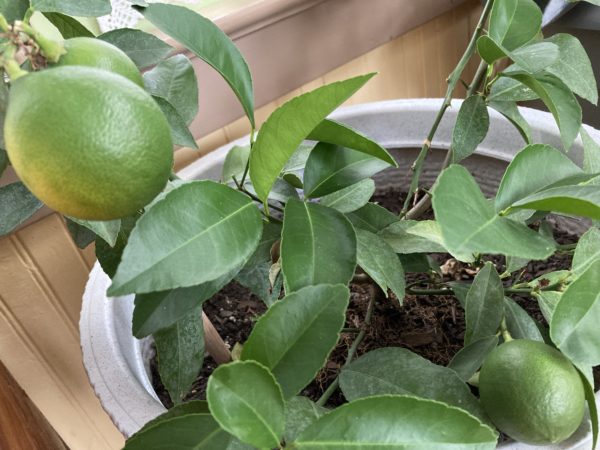
lemon

Substitutions usually come naturally to me. A combination of smell and where I want to go with texture lead me to the best option I have on hand. Of course, it’s always good to make sure a new sub is safe. Luckily, an online search puts this information at our fingertips. My lemons are beginning to ripen so I think they’ll work fine.

When I’m baking gluten-free, I often need to substitute. Even though I keep a variety of flours on hand, it seems like I’m perpetually short on the one I need.

Any change I make will affect the dish, but most of the time you wouldn’t notice the difference. I don’t just grab the first flour I see. I think about how a particular ingredient behaves.

Here are some of the things I consider when choosing gluten-free flour substitutes:

Almond Flour even a small bit lightens a crumb. It also makes an item brown faster. And it adds a possible allergen that should be considered.

Arrowroot Flour  – occasionally, I use this in place of tapioca flour but only in small quantities.

Brown Rice Flour – has a grainy texture so it’s best used in small quantities.

Coconut Flour   absorbs more liquid than most flours. I add it sparingly and wait a moment before I decide whether I need more liquid. This flour can be a great choice for cookies or cake. Many packaged baked goods contain coconut products, so the flavor feels familiar in similar items.

Corn Flour – ground finer than corn meal. Corn flour can be substituted for oat, potato, or sorghum flour. If the quantity is large, other adjustments may be necessary.

Garbanzo Bean Flour – often used as breading in Indian dishes. Called besan or chickpea flour. I will use this as a main flour where appropriate, but rarely substitute it other than in tiny amounts because it can have a strong pea flavor.

Oat Flour – best if it’s gluten-free throughout the process rather than mechanically separated. I sometimes use it in place of sweet white sorghum flour.

Potato Flour – not easily used as a substitute because of its fine, sticky texture and distinct flavor.

Sweet White Sorghum Flour – I liberally substitute this for rice flour.

Tapioca Flour – the same thing as tapioca starch.

Tapioca Starch – one of the three primary starches I use: tapioca, corn, and potato. Of those, potato starch has the most prominent flavor. I use corn starch and tapioca starch as stand-ins for each other and save the potato starch for recipes that benefit from its flavor.

Yuca, Cassava, and Manioc Flour are interchangeable as they are different names for the same thing.

Although there are other flours that I use, I don’t regularly keep them on hand or use them as substitutes. Some of them have flavors that overshadow, and some are best suited to specific recipes.

The best textured gluten-free baked goods result from blends designed for that specific recipe. But don’t let that stop you from playing with the blend or substituting when needed. You may end up with something unanticipatedly wonderful! That’s why it’s fun to play in the kitchen!

Now, back to today’s lemony limey substitution project…

What’s the best flour to use in a gluten-free recipe?

An Easy Gluten-Free Thanksgiving Menu

Looking for an easy gluten-free Thanksgiving menu? You may be surprised how similar it can be to your family’s normal holiday menu.
table setting

Let’s start with my grandmother’s regular Thanksgiving choices:
Turkey
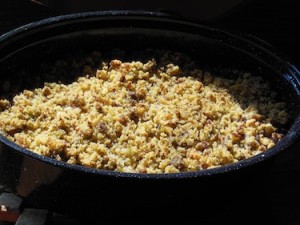
Cornbread Dressing
Cranberry Orange Relish
Corn
Black Eyed Peas
Green Beans
Candied Sweet Potatoes with Pecans

This is about 2/3 of her menu. Up to this point, the only change required to Gran’s menu is to make the cornbread without using wheat flour. Two-thirds of the way through the menu with one minor substitution seems pretty easy to me. And we all love how the cranberry orange relish dresses up a tall glass compote. Besides that, it’s delicious!

My mom makes it using the recipe straight from OceanSpray®:
1 unpeeled orange, cut into eighths and seeded
One 12 oz package fresh cranberries
3/4 to 1 cup sugar

Place half the cranberries and orange slices in a food processor and evenly chop. Transfer to a bowl. Repeat to chop the other half. Stir in sugar. Store in refrigerator or freezer.
stuffing
The rest of the meal isn’t hard to make gluten-free either. My grandmother always served brown-n-serve rolls. We just leave those out and eat more dressing since we like it better anyway. If one of us is really craving bread, but we don’t want to go to the trouble of making yeast rolls, we whip up some biscuits. Truth is, we prefer biscuits to rolls pretty much any day anyhow.

Another change I make is to simplify the sweet potatoes. This isn’t required to make them gluten-free. It’s just a preference. Ben & I like baked sweet potatoes with butter or mashed butternut squash better than anything candied. I think that’s pretty much it for the required alterations to the main meal. Once we’ve digested these changes, we’re suddenly hungry for dessert!
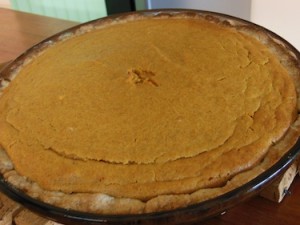
SweetPot
My grandmother served pecan pie, cherry pie, and pumpkin pie. We still serve pecan pie with fresh whipped cream, but our tastes run more to sweet potato rather than pumpkin. We’ve found that we can use traditional sweet potato and pecan pie recipes for the filling. Only the crust has to change. For that, we use a Cooking2Thrive gluten-free crust recipe that takes less than 10 minutes to make.

Several of my neighbors include mac & cheese in their tradition. I think they call it a vegetable, although for the life of me I can’t figure out why. If it’s on your family’s menu, there’s plenty of ready-made gluten-free pasta to be had. Just make sure to pair it with a cheese sauce thickened with something besides wheat flour. I have used sorghum flour or besan as a substitute in sauces and gravy.

My sister likes casseroles so she gets excited when I vary the menu to include a corn soufflé or a green bean casserole made with fresh onion topping and a brown butter sauce. She’s also a big fan of mashed potatoes made with real butter and cream and left a bit chunky.
Brussels
Ben votes for Brussels sprouts as an added bonus every time we take a vote. Here’s how he likes them:
2 tbsp bacon renderings
1 lb Brussels sprouts, washed, trimmed, and halved
2 spring onions
1/2 manzano chile pepper, sliced thin
1/4 tsp salt
7-8 grinds of black pepper

Heat bacon renderings in cast iron skillet over medium heat. Add Brussels sprouts cut side down. Sauté without stirring until sprouts begin to brown. While sprouts are cooking, chop the green tops of the onion into 2 inch long strips and rough chop the head of one of the onions (both if bulbs are small). Add onion tops, chopped onion, and chile pepper to pan and cook for about 2 minutes (save unused onion bulb for another recipe). Sprinkle with salt and pepper and stir. Sauté for two more minutes. Turn off heat. Cover pan and allow to sit for 8-10 minutes.

As you can see, you may not need to reinvent the wheel in order to have a gluten-free Thanksgiving. Sometimes a simple tweak to the routine fare is all that’s required for a satisfyingly traditional meal.

Here’s looking forward to a delicious holiday!


Disclosure of Material Connection: I have not received any compensation for writing this post. I have no material connection to the brands, products, or services that I have mentioned. I am disclosing this in accordance with the Federal Trade Commission’s 16 CFR, Part 255: “Guides Concerning the Use of Endorsements and Testimonials in Advertising.”

http://www.oceanspray.com/Recipes/Corporate/Sauces,-Sides-Salads/Fresh-Cranberry-Orange-Relish.aspx