
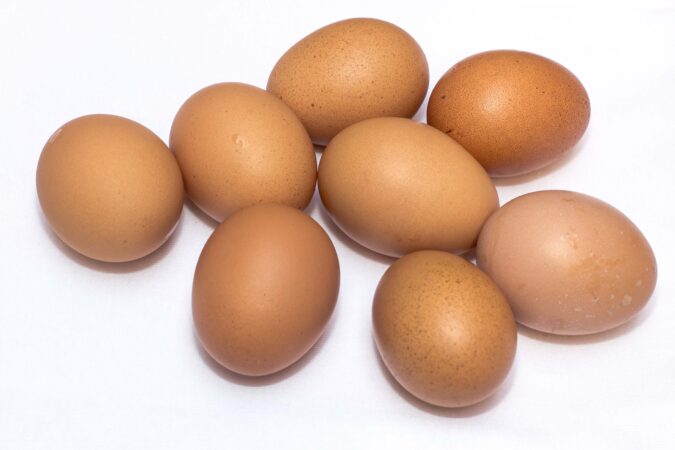
Since last week’s post about growing container vegetables to ensure the safety of your salad, problems in the food supply have gone from bad to worse. The recent recall of 19.2 million eggs was upgraded to a highest-risk warning and Hampton Grocers, Inc. recalled its Lacnola Lactation Granola over possible salmonella contamination.
None of us want to endanger ourselves or our families. A few years ago, recalls didn’t come at the fast and furious pace they do currently. Watching the news or reading the morning paper (remember those days?) seemed sufficient for staying on top of what we need to avoid. Now, it’s easy for a new notification to blend into one you heard yesterday or slip through the cracks when you’re muting a political ad.
In order to maintain the same level of safety, you may need to consider signing up for recall notifications. The FDA’s notification service requires you to fill out this form.
https://public.govdelivery.com/accounts/USFDA/subscriber/new
Additional sources of information include:
The FDA Website www.fda.gov has many levels of information on food, drug, and product recalls.
The CDC website contains information on Current Foodborne Outbreaks. It lists active investigations by germ, has a table of outbreak notices with links to each individual notice, plus additional information. These can be found here https://www.cdc.gov/foodborne-outbreaks/outbreaks/index.html
There’s a federal government website managed by the US Department of Health & Human Services called FoodSafety.gov https://www.foodsafety.gov/recalls-and-outbreaks This site contains safe internal food temperature and other information on food safety in addition to recalls and outbreaks.
Foods overseen by the USDA will have recalls posted on the Food Safety and Inspection Service website https://www.fsis.usda.gov/recalls
Some retailers publish recalls on their websites.
For example, Walmart publishes food, drug, and product recalls here https://corporate.walmart.com/recalls
Costco posts recalls here https://www.costco.com/f/-/recalls
Target’s recall page can be found here https://www.target.com/help/articles/news-safety/product-recalls
Whole Foods has a recall page https://www.wholefoodsmarket.com/legal/product-recalls
Kroger lists recall alerts here https://www.kroger.com/i/recall-alerts and here https://www.ralphs.com/i/recall-alerts
Trader Joe’s posts recalls under announcements https://www.traderjoes.com/home/announcements?category=store-openings&id=74537090
The Amazon list of announcements with links resides here https://www.amazon.com/product-safety-alerts and contains a link to take you to recalls of any products you’ve purchased through Amazon.
If the government sites and retailer sites aren’t sufficient for your family, you may want to consider a paid notification service.
Subscription services that push recall notices to you:
Recall Watch https://getrecalls.com/
Recall Ping https://www.recallping.com/
RecallGuard https://recalledbrands.com/#/
SecureRecalls https://www.securerecalls.com/
Recall Radar https://recallradar.company/manage-subscription
I have not used and cannot vouch for any of these services. Most of the paid services have a free trial or unpaid tier so you don’t get locked into paying for a service that doesn’t bring the information you were seeking.
You can also get updates by following some of these sources on social media. For me, this isn’t ideal because I primarily use BlueSky and some of the government sites do not post there.
It’s important to stay safe and I prefer to do so without having to scramble around looking for information resources. Having these links readily accessible removes a lot of stress. We hope this list of resources will serve to reduce your stress as things go from bad to worse.
Disclosure of Material Connection: I have not received any compensation for writing this post. I have no material connection to the brands, products, or services that I have mentioned. I am disclosing this in accordance with the Federal Trade Commission’s 16 CFR, Part 255: “Guides Concerning the Use of Endorsements and Testimonials in Advertising.”
 I’m getting ready to begin some holiday baking and I want to make sure I keep it safe! Yes, that means I’m going to try not to burn the cookies to a crisp like I did a cheesecake crust at Thanksgiving. And yes, it means I’ll try to keep my paper towels away from the burner flame when I’m melting chocolate. Okay, I’ll try not to drop a knife by my toe either; but even more importantly, I’m going to check for food recalls before I begin.