Kiss My Grits

If you’ve never enjoyed a dish made using ground corn, you can kiss my grits.

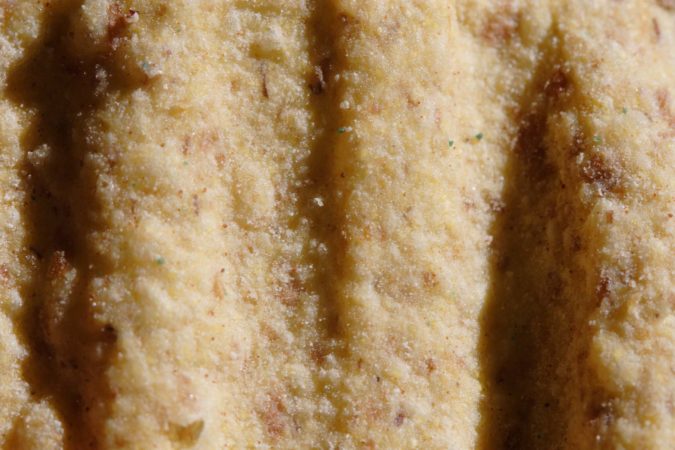
Ground corn kernels form grits, polenta, cornmeal, corn flour, and masa harina. Tamales, pupusas, cornbread, hush puppies, corndogs, cheese grits, and tortilla chips all include ground corn. It’s hard to imagine anyone who hasn’t had a good experience consuming at least one of these.
corn

Cornbread was the most common use of ground corn in my mother’s household. My dad crumbled it into a thumbprint indented glass schooner filled with buttermilk and ate it with a spoon. I liked it warm with butter.

My grandmother used cornmeal to bread the fried catfish she served with hush puppies. And she made cornbread stuffing for the holidays.

Corn-based products are plentiful, making corn an easy default grain when you need to eliminate wheat from your diet. Corn tortillas can be used for enchiladas, soft tacos, and even sandwich wraps (although they tend to break). They can be spread with butter and toasted as a bread substitute or base for tostadas.

While others at the table enjoy rolls or bread before a restaurant meal, I order tortilla chips with salsa, cheese dip, or guacamole. I often ask to substitute tortilla chips for the pita chips typically served with spinach dip.

Grits can increase your options for breakfast. My kids loved them with butter and salt when they were growing up. Grits were less expensive than cold cereals and I liked that they didn’t contain sugar.

Once I gave up gluten, I was happy to be able to order grits in breakfast restaurants that didn’t offer gluten-free toast or pancakes. It made a filling meal and kept me full for hours.

Some complain that grits have no taste, but that’s the beauty of them. They can be anything you want them to be. I’ve combined polenta and cherries to serve with pork chops. Polenta and plums make an excellent cake. Polenta can even be used as pizza crust.

I went through a phase where I served cheese grits often. They were easy to prepare for guests or carry to a potluck and always got rave reviews. I’m pretty sure that’s due to the abundance of cheese surrounded by a carrier that enhanced the texture and had flavor that didn’t compete.

No article about ground corn is complete without a mention of shrimp and grits. That dish has inspired entire books.

At this point in my food navigating journey, I minimize the use of corn products. I’m not sure if it’s genetic modification of the food or just my system’s pickiness, but I often end up with pain or itchiness from things that contain corn.

With that said, I don’t necessarily want to discourage its use in those who can tolerate it because corn can be bought in the most rural of rural towns and is always plentiful. It’s also less expensive than nut, potato, arrowroot, tapioca, and other gluten-free flours.

I understand minimizing consumption of corn, but if you try to tell me it isn’t delicious, you can kiss my grits!

What’s the best flour to use in a gluten-free recipe?

What’s the best flour to use in a gluten-free recipe? Well, that depends on the recipe and your eating plan.

If you maintain a gluten-free lifestyle, you’ve probably read your share of labels on prepackaged gluten-free products, baking mixes, or flour blends. Most of these labels lead you to believe that the best flours to use are white rice, brown rice, potato, corn and tapioca. Reading such labels also makes the addition of xanthan gum, guar gum or carrageenan seem normal. To further promote the idea that these specific flours are best, many gluten-free cookbooks recommend using a combination of them as a standard baking mix.

If you’ve become accustomed to seeing these ingredients over and over again, it may come as a surprise to learn that there are more than 30 additional gluten-free flours readily available for purchase. Why is that good news?

The wide variety of flours available can be used to tailor a recipe to be more healthy for you. For instance, if plants in the nightshade family make your joints ache, you may want to avoid using potato flour or potato starch. If you are at risk for Type II Diabetes, you may want to choose flours made from nuts or legumes because they contain fewer carbohydrates.

My entire family demands food that tastes good, but we also have some texture police so having flour options allows me to maximize the health factors and taste while minimizing unpleasant textures. Using a combination of high protein flours makes it possible to create a pleasing dough for baked goods without having to add xanthan gum. For instance, I sometimes choose a high protein nut flour so that I can eliminate the addition of any gum. A recipe made without gums is easier for your body to process. The result isn’t just friendlier for the belly; it has a lighter crumb without the graininess often created by rice flour combinations.

Many gluten-free flours have a pronounced flavor. This can be exacerbated by a lengthy shelf life. The best way to create a flour mix with a flavor profile that’s compatible with a recipe is to taste the flours. If you’re going to use flour that has a bit of sweetness, then it’s best to use it in a sweet recipe. If you have a flour with a vegetable taste, then it is better suited for a savory recipe. Of course it can be quite expensive to buy a wide variety of specialized flours all at one time so you may want to try new options slowly over a period of time. As you taste, explore and become familiar with a wider range of products, you can expand your list of favorites and adapt traditional recipes accordingly.

When we do a Cooking2Thrive® cooking demonstration, we bring a variety of flours for the audience to smell, touch, and taste. Along with the flour, we display the following nutritional and cost information. I hope you find it helpful as you choose ingredients.

Flours

Have you tried using an unusual flour combination recently? If so, how did your dish turn out?


Nutrition information pulled from the Nuts.com website. We have no association with Nuts.com other than as satisfied customers who consume their products.