
Is simple always better? Many of us are accustomed to approaching explanations with the idea that simplest is always best. If you’re dealing with a single-layer problem, that may be true.
But when it comes to the effects of certain foods, medication, or fitness levels, the simplest explanation could be true for one layer of information and still miss the critical point required to make good health decisions.
Today, I was reading an article by Dr. Eric Topol in which he explained how VO2 readings from wearables should be interpreted. Without context, he was receiving correspondence from patients who were concerned that their maximal oxygen uptake (VO2 max) levels were dropping.
Before that, I’d listened to part of a podcast discussing GLP-1 drugs. That discussion seemed to miss some complicating factors, leave out facts, and misstate some effects. But maybe that’s because it’s impossible to fully understand a drug’s effects if we’re only examining one aspect.
It can be possible to simply explain a complicated subject, but the subject itself remains complicated. Complicated content is hard to reduce to sound bites or clickbait headlines so we get snippets of simplified explanations that become all anyone knows on the subject. It’s making us dangerously ill-informed about a great many things.
My day has also included a meeting with an 84-year-old man whose place of employment won’t let him retire because he’s the only one with sufficient knowledge about a certain service they provide. While I feel for the guy who says he’s tired of working, I’m also glad he’s there because I need that service.
I’m concerned that a shallow, incomplete understanding combined with a lack of process thinking, complicated by a desire for ease is leading us toward worse health rather than better. A simple example of the thinking that worries me goes something like this: I read we need more protein. Almonds are high in protein. Almond milk is high in protein and better for me than cow’s milk. Or, I need more fiber. Oats are high in fiber. Oat milk is high in fiber. Or, a plant-based diet is healthy. Plant-based sausage and hot dogs are healthy so I should eat those instead of chicken.
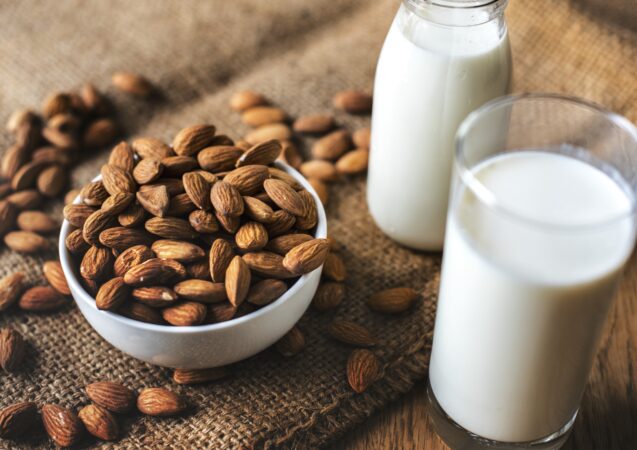
The fact is one cup of cow’s milk has almost eight times as much protein as one cup of almond milk. Is almond milk the best choice for adding protein? Not based on protein content. And almond milk may also have additives like sugar, flavoring, or carrageenan. It may be healthier or less healthy depending on the ingredients and processing. The point is not whether almond milk is healthy. It’s the flawed process for deciding it’s better than cow’s milk.
Oat milk does have more fiber than cow’s milk, but no more than an apple. It may also contain additives. Would it be better to eat oatmeal and drink cow’s milk? Then you get the benefits of both.
The health benefits of plant-based diets are greatest when those plants come straight from the ground to your table. And the closer you can stay to that, the healthier they are. Plant-based meat substitutes you purchase in a store are processed food. Processed food is less healthy than fresh food even if the label says it contains less calories and fat.
Simple is sometimes better for some things. But simple thinking and shallow understanding pose a clear and present danger to our health.
https://drerictopol.com/meet-eric-topol/
